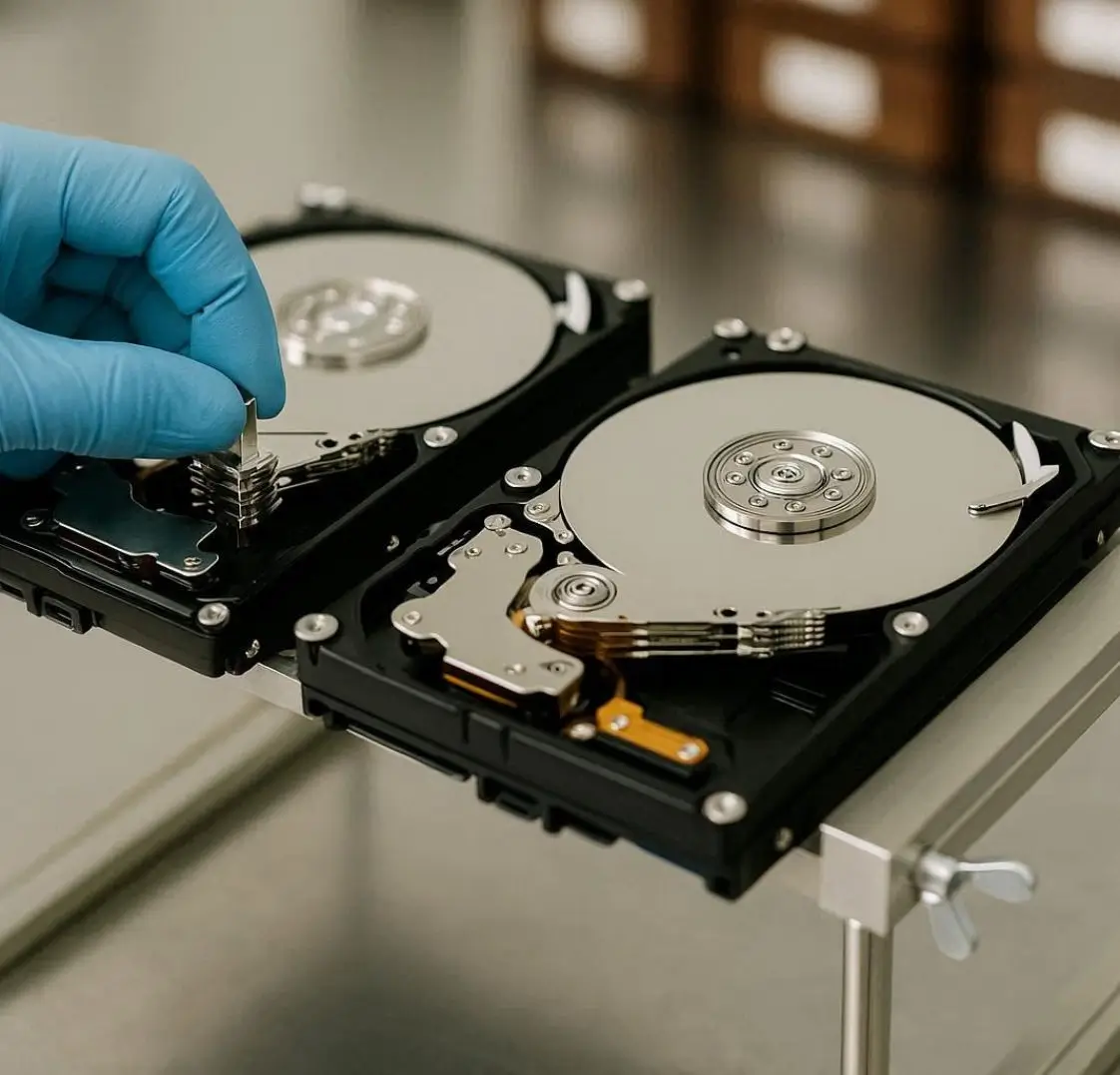
Cover the latest advancements in data storage, hard drives, SSDs, RAID systems, cybersecurity, cloud computing, and IT infrastructure. Technology is evolving rapidly. From artificial intelligence to high-speed NVMe SSDs and enterprise RAID systems, innovations are transforming how businesses store, protect, and recover critical data.

Why Technology Matters More Than Ever

In today’s digital economy:

  • Data drives business decisions
  • Storage systems power operations
  • Cybersecurity protects reputation
  • Backup solutions ensure continuity

Even a small technical failure can cause major financial and operational damage. Understanding technology trends helps prevent risks and improve performance.

1️⃣ Data Storage Technology

Modern storage solutions have evolved far beyond traditional hard drives.

We cover:

  • HDD vs SSD comparisons
  • NVMe and SATA SSD technology
  • Enterprise storage systems
  • Hybrid storage solutions
  • Storage scalability for businesses

Understanding storage technology helps you choose the right infrastructure for your needs.

3️⃣ RAID & Server Technology

RAID systems are widely used in enterprise environments.

We explore:

  • RAID 0, 1, 5, 6, and 10 explained
  • RAID failure causes
  • Server storage optimization
  • NAS vs SAN systems
  • Enterprise backup strategies

Proper RAID configuration reduces downtime and improves system performance.

4️⃣ Cybersecurity & Data Protection

With rising ransomware attacks and data breaches, cybersecurity is critical.

We provide insights on:

  • Ransomware protection strategies
  • Data encryption methods
  • Secure backup solutions
  • Cloud security best practices
  • Disaster recovery planning

Protecting data is as important as storing it.

5️⃣ Emerging Technologies

Stay updated with innovations such as:

  • AI-powered storage management
  • Cloud-native infrastructure
  • Edge computing
  • High-capacity SSDs
  • Green data center technology

Businesses that adapt early gain competitive advantages.

How Technology Impacts Businesses

Technology directly affects:

Productivity
Operational efficiency
Data security
Cost management
Customer trust

Companies investing in modern IT infrastructure experience fewer failures and improved performance.

The Importance of Staying Updated

Ignoring technological advancements can lead to:

  • Outdated infrastructure
  • Increased security vulnerabilities
  • Higher maintenance costs
  • Reduced system performance

Regularly reviewing technology updates ensures smarter decision-making.
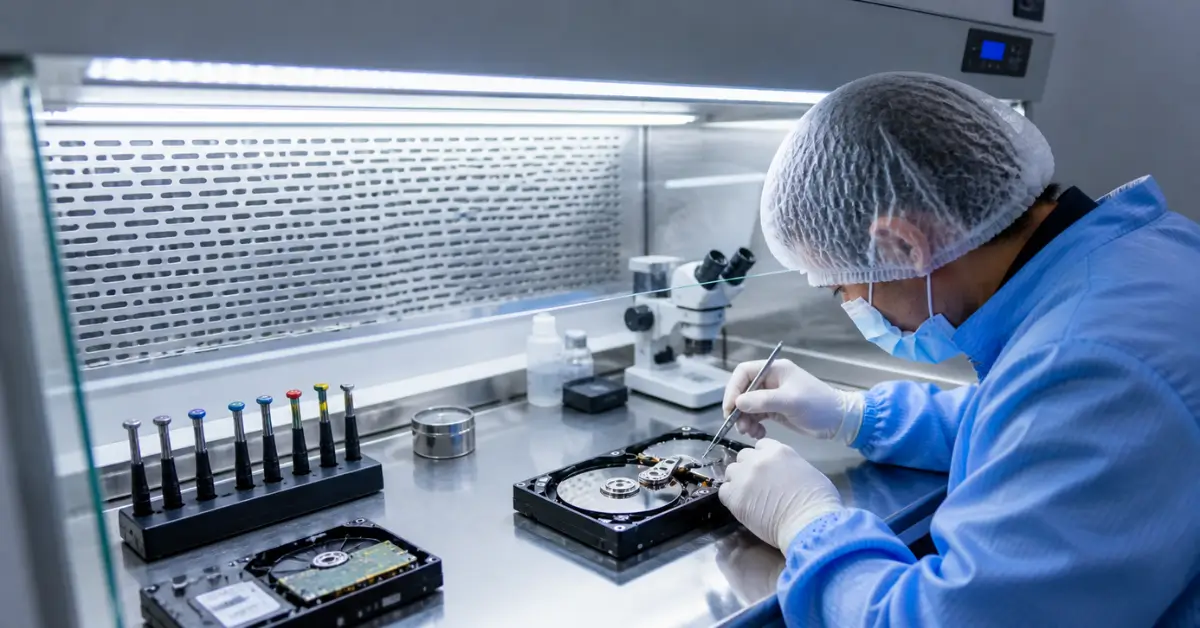
ExtremeTech covers hardware, software, and emerging innovations with in-depth articles and benchmarks. It offers expert reviews on CPUs, GPUs, storage, and AI trends, helping enthusiasts and professionals understand performance, technology advancements, and industry developments shaping modern computing and digital experiences.

HDD, SSD, RAID, Cloud & AI Storage Trends That Every Business in Kerala Should Know

  • Technology never stands still, and neither does the data stored on it. The storage and data recovery landscape in 2026 looks significantly different from just three years ago. New SSD architectures, AI-driven storage management systems, evolving RAID configurations, and increasingly sophisticated cybersecurity threats are reshaping how businesses and individuals in Kerala store, protect, and recover critical data. At PCPrompt, our engineers stay at the forefront of these developments, not just to be informed, but because understanding the latest storage technology directly affects our ability to recover data from it. This article covers the key technology trends in data storage and recovery that matter most right now. Also explore our data recovery updates page for the latest news.
  • NVMe and PCIe 5.0 SSD technology represents the biggest shift in consumer and enterprise storage in 2025–2026. PCIe 5.0 NVMe drives now achieve sequential read speeds exceeding 12,000 MB/s, roughly 24 times faster than a traditional SATA SSD. Samsung’s 990 Pro, WD’s Black SN850X, and Seagate’s FireCuda 540 are among the drives pushing these performance boundaries. For businesses in Kerala running high-throughput databases, video editing workstations, or AI inference systems, NVMe PCIe 5.0 delivers transformational performance. However, the failure modes of these ultra-fast drives are more abrupt than traditional storage, there is typically no warning before failure, and the data loss is immediate. PCPrompt’s SSD data recovery service now covers PCIe 5.0 drives using updated chip-level recovery hardware.
  • HAMR and MAMR hard drive technology is extending HDD capacities into the 30TB+ range. Heat-Assisted Magnetic Recording (HAMR), used by Seagate in its Mozaic 3+ platform, uses a tiny laser to heat the platter surface before each write, allowing data to be written to more stable magnetic domains at much higher density. Western Digital’s MAMR (Microwave-Assisted Magnetic Recording) uses a different physical approach to achieve similar density improvements. These technologies will sustain the relevance of HDDs for bulk storage, backup archiving, and NAS systems for at least the next decade. From a recovery perspective, HAMR drives introduce new failure modes, the laser heating element can fail independently of the recording heads, requiring updated diagnostic approaches. Our HDD data recovery service is continuously updated to cover new drive architectures.
  • AI-powered storage management is becoming mainstream in enterprise NAS and SAN systems. Platforms like NetApp ONTAP AI and Pure Storage Portworx now use machine learning to predict drive failures before they occur, dynamically tier data between fast flash and slower capacity storage, and optimize RAID rebuild schedules to minimize risk. For businesses in Kerala running these modern storage platforms, AI management reduces failure risk significantly. However, when failures do occur in AI-managed systems, they tend to be more complex than traditional RAID failures, the AI may have already initiated a partial rebuild or rebalancing operation that must be carefully unwound before recovery can begin. PCPrompt’s RAID recovery team has developed specific workflows for AI-managed storage platform recovery.
  • Cloud storage and hybrid backup trends are reshaping how businesses in Kerala approach data protection. The hybrid cloud model, where primary data lives on-premises and backups are automatically replicated to cloud storage, has become the dominant architecture for SMBs. Services like Backblaze B2, AWS S3 Glacier, and Google Cloud Storage offer extremely low-cost cold storage for archive and backup data. Object storage with versioning and object locking (WORM, Write Once Read Many) provides ransomware-resistant backup, as locked objects cannot be modified or deleted even if the backup client is compromised. According to Backblaze’s annual cloud storage report, object storage with versioning is now considered the minimum standard for ransomware-resilient backup architecture.
  • Software-defined storage (SDS) platforms like Ceph, GlusterFS, and Microsoft Storage Spaces Direct are replacing traditional hardware RAID in many enterprise environments. SDS distributes data across commodity hardware using software-defined redundancy, eliminating the need for expensive RAID controller cards. While SDS delivers excellent performance and scalability, recovery from SDS failures is significantly more complex than hardware RAID recovery, the software layer must be understood and reconstructed before data can be accessed. PCPrompt is one of the few data recovery labs in Kerala equipped to handle SDS recovery, including Ceph object store failures and Windows Storage Spaces Direct degradations. Visit our contact page if you are running an SDS platform and experiencing storage issues.
  • Cybersecurity trends in 2026 are inseparable from data storage and recovery. Ransomware remains the dominant threat, but attack sophistication has increased dramatically. Modern ransomware groups conduct reconnaissance of target networks for weeks before deploying their payload, identifying and targeting backup systems, NAS devices, and cloud sync clients to maximize damage. Zero-trust network architecture, endpoint detection and response (EDR) tools, and immutable backup storage are the current gold-standard defenses. Read our dedicated ransomware recovery guide for a detailed analysis of how PCPrompt approaches ransomware-affected storage recovery. Our data recovery charges guide also covers ransomware recovery pricing.
  • Storage monitoring and predictive maintenance tools are more accessible than ever in 2026. CrystalDiskInfo (free, Windows) and smartmontools (free, Linux/Mac) provide real-time SMART monitoring for all connected drives. Enterprise platforms like Grafana with Prometheus exporters can aggregate SMART data from hundreds of drives across a network into a central dashboard, alerting administrators before predicted failure thresholds are crossed. PCPrompt recommends monthly SMART checks for individual users, weekly for small businesses, and continuous monitoring for enterprise environments. Our professional data recovery tools guide covers both consumer and enterprise-grade monitoring options in detail.
  • Staying current with storage technology trends is not just for IT professionals, it directly affects the safety of your personal and business data. Whether you are choosing a new hard drive, configuring a NAS device, planning a cloud backup strategy, or dealing with an existing storage failure, understanding the current technology landscape helps you make better decisions. PCPrompt is here to help, not just for recovery after the fact, but as a knowledgeable partner for your storage strategy. Call +91 9995438806, visit our contact page, or explore our services and case studies to understand the full scope of what we offer.
your ideal recovery service
Related Articles & Guides