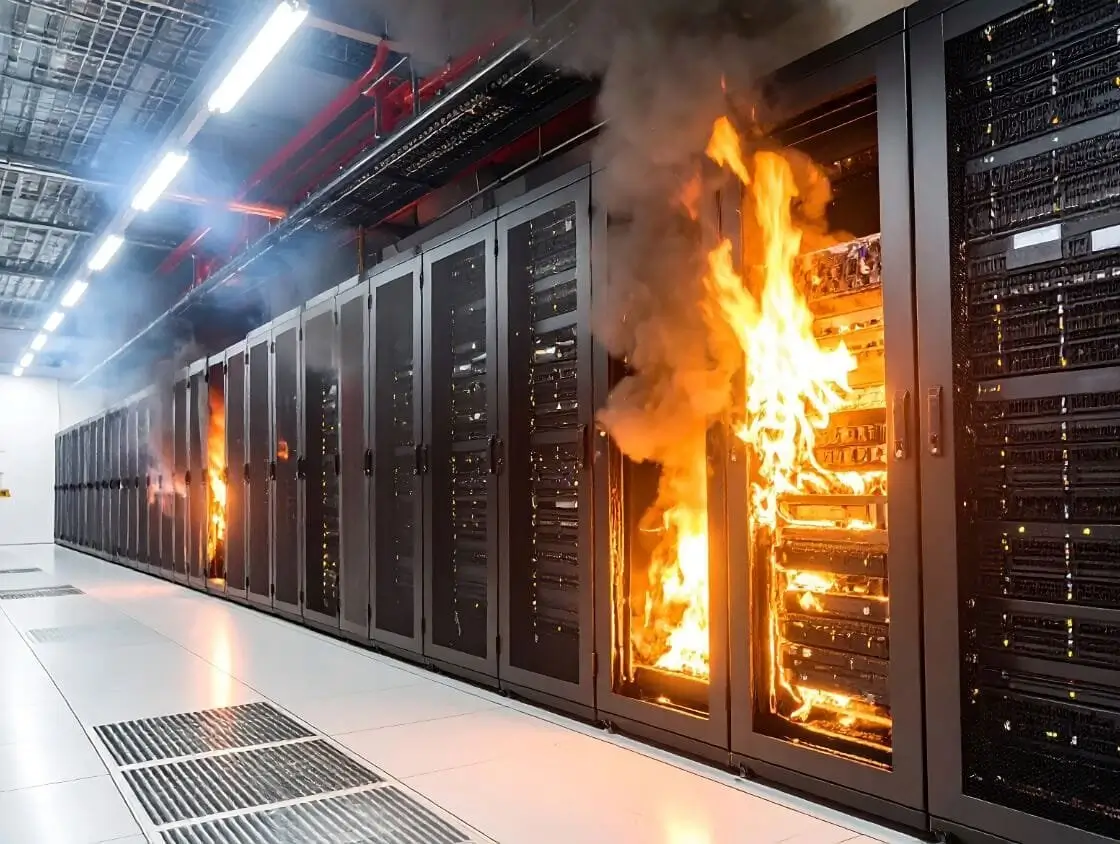

RAID 0, RAID 1, RAID 5 & RAID 10 Data Recovery Services
PCPrompt provides reliable RAID server recovery services to restore data from failed RAID arrays, including RAID 0, RAID 1, RAID 5, and RAID 10. Our experts handle disk crashes, controller failures, RAID rebuild errors, and corrupted configurations with advanced diagnostics and precision recovery techniques.
We securely rebuild damaged RAID structures and recover critical business data from servers, NAS systems, and enterprise storage environments. Our RAID server recovery solutions ensure maximum data protection, minimal downtime, and complete confidentiality for mission-critical systems.
Experts in Critical RAID Server Data Recovery
The main RAID problems, including disk failures, controller faults, and rebuild errors, and discover expert recovery methods to restore critical data safely.
RAID Disk Failure
When one or more drives in the array fail, the RAID becomes degraded or completely offline.
RAID Controller Failure
A controller crash or firmware corruption can stop the RAID from initializing or reading its configuration.
RAID Rebuild Failure
Rebuilds may fail due to bad sectors, incorrect disk order, or multiple failing drives.
Yes, data can often be successfully recovered from a failed hard disk, even when the drive becomes inaccessible, corrupted, damaged, or completely unreadable. Professional hard disk data recovery services use advanced tools and recovery techniques to retrieve lost files from failed HDDs caused by accidental deletion, formatting, virus attacks, bad sectors, firmware corruption, electrical damage, and mechanical failure. In many cases, valuable data such as photos, videos, office documents, databases, emails, software files, and business records can still be restored safely.
Hard disk failures are usually categorized into two main types: logical failure and physical failure. Logical hard disk failure occurs when the hard drive hardware is functioning properly, but the stored data becomes inaccessible because of software-related problems. Common examples include corrupted partitions, damaged file systems, accidental formatting, deleted files, operating system crashes, and malware infections. In such situations, professional data recovery specialists use advanced recovery software and forensic-level tools to scan the hard drive and recover lost files without damaging the original data.
Physical hard disk failure is more serious and happens when internal hardware components stop working correctly. Signs of physical hard drive damage include clicking sounds, grinding noises, overheating, slow performance, spinning failure, or the hard drive not being detected by the computer. Physical damage can occur because of power surges, accidental drops, water exposure, fire damage, head crashes, motor failure, or PCB damage. Recovering data from a physically damaged hard drive often requires specialized cleanroom environments where engineers can safely open the drive and repair damaged components temporarily to access the stored information.
The chances of successful hard disk data recovery depend on several important factors, including the severity of the damage, the condition of the storage platters, and how quickly professional recovery is attempted. If the hard drive starts showing warning signs such as unusual noises, frequent system crashes, disappearing files, or detection errors, it is important to stop using the drive immediately. Continuing to operate a failing hard disk can overwrite recoverable data or cause additional internal damage, reducing the recovery success rate significantly.
Professional hard drive recovery services support almost all major hard disk brands including Seagate, Western Digital, Toshiba, Samsung, and Hitachi. Recovery solutions are available for desktop hard drives, laptop HDDs, external hard disks, RAID servers, NAS devices, and enterprise storage systems. Many recovery labs also provide emergency data recovery services for businesses and individuals who need urgent access to critical files.
To avoid future data loss, experts strongly recommend maintaining regular backups using external storage devices, cloud backup solutions, or automated backup systems. Although hard disk failure can happen unexpectedly, professional data recovery services can often recover important files successfully when proper recovery procedures are followed. Seeking immediate assistance from experienced recovery specialists greatly improves the possibility of restoring lost data from a failed hard disk safely and efficiently.
SSD data recovery is generally more difficult than traditional HDD recovery because solid-state drives use advanced storage technologies that handle data very differently from mechanical hard drives. While SSDs are faster, quieter, and more reliable for daily performance, recovering lost data from a failed SSD can be significantly more complex due to features like TRIM commands, wear leveling, firmware management, encryption, and integrated controllers. These technologies improve SSD performance and lifespan, but they also make professional data recovery more challenging.
Traditional hard disk drives (HDDs) store data magnetically on spinning platters. Even after files are deleted, the original data often remains physically stored on the disk until it is overwritten by new information. This makes HDD data recovery relatively easier because professional recovery tools can scan the storage sectors and restore deleted or lost files successfully in many cases.
In contrast, solid-state drives store data electronically using NAND flash memory chips instead of spinning disks. Most SSDs use a feature called TRIM, which automatically erases deleted data blocks to improve speed and optimize storage performance. Once the TRIM command is executed, the deleted files may be permanently removed from the SSD, making recovery extremely difficult or sometimes impossible. This is one of the biggest reasons why SSD data recovery has a lower success rate compared to HDD recovery in certain situations.
Another major challenge is wear leveling technology. SSDs constantly move data between memory cells to distribute write operations evenly and extend the lifespan of the drive. Because data is frequently relocated internally, file structures become more complicated and difficult to reconstruct during the recovery process. Unlike HDDs where data locations remain relatively fixed, SSDs dynamically manage storage allocation using complex algorithms controlled by the SSD firmware.
Firmware corruption is another common issue in failed SSDs. The firmware controls how the SSD communicates with the computer and manages stored data. If the firmware becomes corrupted due to power failure, electrical damage, overheating, or manufacturing defects, the SSD may suddenly stop being detected. Recovering data from firmware-damaged SSDs often requires advanced chip-level recovery techniques and specialized hardware tools used only by professional SSD recovery laboratories.
Modern SSDs also commonly include built-in encryption and security protocols. Even if the memory chips are physically intact, encrypted data may be inaccessible without the correct controller information or encryption keys. This adds another layer of complexity to SSD data recovery procedures.
Professional SSD data recovery services support leading brands including Samsung, Kingston, Crucial, SanDisk, Western Digital, and Intel. Recovery experts use advanced forensic tools, chip-off recovery methods, and controller-level diagnostics to recover files from failed SSDs whenever possible.
If an SSD begins showing symptoms such as slow performance, file corruption, read/write errors, or detection failure, it is important to stop using the drive immediately. Continuing to use a failing SSD may trigger further TRIM operations or memory degradation, reducing the chances of successful data recovery. Seeking professional SSD data recovery services quickly provides the best opportunity to recover important files safely and efficiently.
If your USB drive is showing the error message “Device Not Recognized,” it usually means your computer cannot properly detect or communicate with the USB storage device. This is a common problem that can occur with USB flash drives, external hard drives, memory cards, and portable storage devices. The issue may be caused by hardware failure, corrupted drivers, damaged file systems, firmware problems, or physical damage to the USB drive itself. In many cases, professional USB data recovery services can still recover important files from an unrecognized USB drive successfully.
One of the most common causes of the “USB Device Not Recognized” error is file system corruption. Improper ejection of the USB drive, sudden power loss, interrupted file transfers, or virus infections can damage the file system structure, making the device unreadable by the operating system. When this happens, the computer may fail to assign a drive letter or prompt users to format the device before use. Formatting should be avoided if important files are stored on the USB drive because it can reduce the chances of successful data recovery.
Another frequent reason is damaged or outdated USB drivers. Windows or other operating systems rely on USB controller drivers to communicate with connected storage devices. If the drivers become corrupted, outdated, or incompatible after system updates, the USB drive may stop being recognized properly. Reinstalling or updating USB drivers can sometimes resolve the issue without data loss.
Physical damage is also a major cause of USB recognition problems. USB drives are small and portable, making them vulnerable to accidental drops, bent connectors, water damage, overheating, dust exposure, and electrical surges. A damaged USB connector or broken internal circuit board may prevent the computer from detecting the device entirely. In severe cases, professional chip-level USB data recovery techniques may be required to extract the stored data directly from the memory chip.
Virus and malware infections can also trigger USB detection errors. Malicious software may corrupt partitions, hide files, damage boot sectors, or block access to the storage device. Running infected USB drives on multiple systems without proper antivirus protection increases the risk of file corruption and permanent data loss.
Sometimes the issue may originate from insufficient power supply through USB ports. External hard drives and some high-capacity USB devices require stable power to function correctly. Faulty USB ports, damaged cables, or power fluctuations can interrupt communication between the device and the computer. Trying a different USB port or another computer can help determine whether the problem is related to the device or the system itself.
Professional USB data recovery services support most major storage brands including SanDisk, Kingston, Samsung, Transcend, and HP. IBM Recovery experts use specialized diagnostic tools and forensic recovery methods to restore inaccessible files from corrupted or physically damaged USB drives.
If your USB drive displays the “Device Not Recognized” error, stop using the device immediately to avoid overwriting or further damaging the data. Avoid repeated formatting attempts or unreliable DIY recovery tools, especially if the files are valuable. Seeking professional USB drive recovery assistance quickly improves the chances of safely recovering important documents, photos, videos, and business data from the failed storage device.
Choosing the right data recovery company is extremely important when valuable personal or business data is lost. PCPrompt has become a trusted name for professional data recovery services in Kerala by providing reliable, secure, and advanced recovery solutions for hard drives, SSDs, RAID servers, USB drives, memory cards, laptops, desktops, and enterprise storage systems across Kochi, Malappuram, Thrissur, Kozhikode, and Trivandrum. Whether the data loss is caused by accidental deletion, formatting, physical damage, virus attacks, or hardware failure, PCPrompt offers expert recovery services designed to maximize recovery success rates while protecting customer privacy.
One of the biggest reasons customers choose PCPrompt Data Recovery in Kerala is its expertise in handling complex recovery cases. Modern storage devices use advanced technologies that require specialized tools and technical knowledge for successful recovery. PCPrompt uses professional-grade recovery equipment and advanced diagnostic methods to recover lost files from damaged or inaccessible devices. The recovery team is experienced in handling logical failures, firmware corruption, bad sectors, RAID failures, SSD controller issues, and physically damaged storage media.
PCPrompt provides data recovery services for all major storage brands including Seagate, Western Digital, Samsung, Kingston, SanDisk, and Dell. Whether it is a failed laptop hard disk, corrupted SSD, damaged USB flash drive, NAS storage issue, or RAID server crash, the company offers customized recovery solutions for both individuals and businesses throughout Kerala.
Another important advantage of choosing PCPrompt is data security and confidentiality. Lost data often contains sensitive personal files, financial information, company databases, legal documents, and business records. PCPrompt follows strict privacy and security procedures to ensure all recovered data remains fully confidential throughout the recovery process. Customers from Kochi, Malappuram, Thrissur, Kozhikode, and Trivandrum can trust that their information is handled professionally and securely.
Fast turnaround time is another reason why many customers in Kerala prefer PCPrompt Data Recovery services. Data loss emergencies can disrupt businesses, academic work, and personal activities. PCPrompt offers quick diagnosis and efficient recovery procedures to minimize downtime and help customers regain access to important files as soon as possible. Emergency recovery support is also available for critical business cases requiring urgent assistance.
PCPrompt is known for transparent service and customer-focused support. Before starting the recovery process, the technical team performs a detailed diagnosis to identify the cause of failure and explain the recovery possibilities clearly. Customers receive honest information regarding recovery chances, estimated time, and recovery procedures without hidden complications.
In addition to recovery services, PCPrompt also helps customers understand how to protect their data from future loss. The company provides guidance on backup solutions, RAID management, cloud storage, cybersecurity protection, and preventive maintenance practices to reduce the risk of future storage failures.
For individuals, businesses, educational institutions, photographers, IT companies, and enterprises looking for trusted data recovery services in Kochi, Malappuram, Thrissur, Kozhikode, Trivandrum, and across Kerala, PCPrompt offers professional expertise, advanced recovery technology, secure handling, and dependable customer support. With experience across multiple storage platforms and recovery scenarios, PCPrompt continues to be a reliable choice for safe and efficient data recovery solutions in Kerala.
The cost of data recovery depends on several factors, including the type of storage device, severity of damage, storage capacity, and the complexity of the recovery process. Professional data recovery services for hard disks, SSDs, RAID servers, USB drives, memory cards, NAS storage systems, laptops, and servers may vary in pricing because every data loss situation is unique. At PCPrompt, customers receive a complete diagnosis and transparent recovery estimate before the recovery process begins.
Simple logical data recovery cases, such as accidentally deleted files, formatted partitions, corrupted operating systems, or virus infections, are generally more affordable because the storage hardware is still functioning properly. These recoveries mainly involve advanced software-based recovery methods and usually require less time compared to physically damaged devices.
Physical damage recovery cases are usually more expensive because they involve specialized repair procedures and advanced recovery equipment. Hard drives with clicking sounds, dead SSDs, damaged USB drives, burned circuit boards, water damage, or failed RAID servers often require expert-level diagnostics and cleanroom recovery techniques to retrieve the stored data safely.
RAID server data recovery costs can also vary depending on the RAID configuration, number of failed drives, server capacity, and complexity of the array reconstruction process. RAID 5, RAID 6, RAID 10, NAS systems, and enterprise servers often require advanced forensic recovery procedures to rebuild the storage environment and restore inaccessible business data.
SSD data recovery may cost more than traditional hard disk recovery because SSDs use advanced technologies such as TRIM commands, wear leveling, encrypted controllers, and firmware-based storage management. Recovering files from failed SSDs often requires chip-level recovery methods and highly specialized tools.
The urgency of the recovery service can also affect pricing. Emergency or priority data recovery services are commonly used by businesses, professionals, and organizations that need immediate access to critical files, databases, accounting systems, or server data. Faster turnaround times may require dedicated recovery resources and continuous engineering support.
PCPrompt provides affordable and reliable recovery solutions for personal users, photographers, students, businesses, IT companies, and enterprise clients. The company focuses on secure recovery procedures, transparent pricing, advanced recovery technology, and high recovery success rates without hidden charges.
To improve the chances of successful data recovery and avoid additional costs, users should stop using the damaged storage device immediately after data loss occurs. Continued usage may overwrite recoverable files or increase physical damage to the storage media. Avoid formatting the device or using unreliable recovery software if the data is important.
If you are searching for professional and cost-effective recovery services for HDDs, SSDs, RAID servers, USB drives, laptops, desktops, or enterprise storage systems, PCPrompt offers expert-level recovery solutions with secure handling and customer-focused support.
Yes, data can often be successfully recovered from a failed RAID server, even when multiple drives fail or the entire RAID array becomes inaccessible. Professional RAID data recovery services are designed to recover critical business data from damaged, corrupted, or failed RAID storage systems. Whether the failure is caused by hard disk crashes, RAID controller issues, accidental deletion, power surges, or configuration errors, experienced recovery engineers can often restore important files, databases, virtual machines, emails, and enterprise applications safely.
RAID, which stands for Redundant Array of Independent Disks, is commonly used in businesses and servers to improve storage performance, fault tolerance, and data redundancy. Popular RAID configurations include RAID 0, RAID 1, RAID 5, RAID 6, and RAID 10. Although RAID systems provide protection against certain types of hardware failure, they are not completely immune to data loss. In fact, RAID server failures can be highly complex because multiple disks and storage configurations work together as a single system.
One of the most common causes of RAID server failure is hard drive damage. RAID arrays rely on multiple drives functioning correctly, and if several drives fail simultaneously, the array may become inaccessible. RAID 5 and RAID 6 systems are particularly vulnerable during rebuild processes because additional drive stress can trigger further disk failures. Physical hard drive issues such as bad sectors, head crashes, overheating, or motor failure can make RAID recovery more complicated.
RAID controller failure is another major reason for RAID server data loss. The RAID controller manages how data is distributed across the drives. If the controller becomes damaged due to firmware corruption, electrical failure, overheating, or power surges, the server may no longer recognize the RAID configuration properly. Incorrect RAID rebuild attempts or replacing failed drives in the wrong order can also permanently damage the array structure if handled improperly.
Human error is also a leading cause of RAID data loss. Accidental formatting, partition deletion, RAID reconfiguration, operating system corruption, and improper maintenance procedures can make critical business data inaccessible. In some cases, ransomware attacks and malware infections can encrypt or corrupt files stored on RAID servers, creating additional recovery challenges.
Professional RAID data recovery services use advanced forensic tools and specialized techniques to reconstruct failed RAID arrays safely. Recovery experts first create sector-by-sector clones of the damaged drives to avoid further data loss. They then analyze RAID parameters such as stripe size, parity rotation, drive order, and file system structure to rebuild the array virtually. Once the RAID configuration is reconstructed, the recoverable files are extracted securely.
Professional recovery solutions support enterprise storage systems and RAID servers from leading brands including Dell, HP, IBM, Synology, QNAP, Western Digital and NetApp. Recovery can be performed for NAS devices, SAN storage systems, virtualization servers, and enterprise databases.
If a RAID server fails, it is extremely important not to rebuild the array, initialize the disks, or continue operating the server without professional guidance. Improper recovery attempts can overwrite parity data and permanently destroy recoverable information. Contacting a professional RAID server data recovery service immediately provides the best chance of recovering critical business data safely and efficiently.