Expert Hard Disk Data Recovery Services
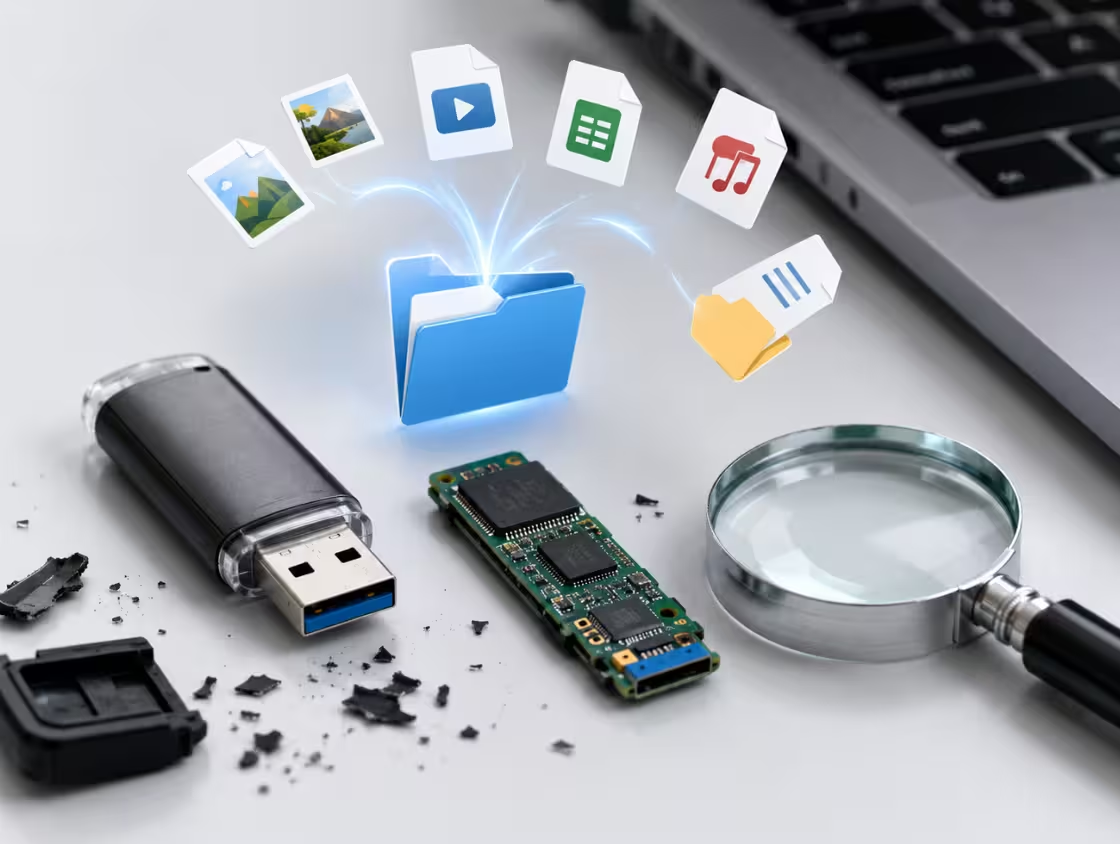
PCPrompt offers expert USB drive recovery services to retrieve lost, deleted, or inaccessible data from damaged or corrupted USB flash drives. We handle issues such as physical damage, file system corruption, virus attacks, accidental formatting, and unrecognized USB devices using advanced recovery tools and techniques.
Our specialists carefully diagnose flash memory failures and restore important documents, photos, videos, and business files. Our secure USB drive recovery process ensures maximum data safety, fast turnaround time, and complete confidentiality for individuals and businesses.
USB Data Recovery for Business & Personal
USB data recovery for business and individual user needs, restoring files from controller faults, corrupted NAND, or broken connectors.
Controller Failure
USB controller failure stops detection and causes repeats, needing expert recovery from NAND memory’s
Flash Corruption
Corrupted NAND in USB drives causes wrong size, freezing, or format errors, needing expert data recovery.
Damaged PCB
Bent connectors or cracked USB PCBs cause power loss and require NAND chip work to recover data again

read service FAQ’s
- Yes, data can often be recovered from a corrupted USB drive, depending on the severity of the corruption and the condition of the device. USB flash drives are commonly used to store important documents, photos, videos, business records, and personal files. When a USB drive becomes corrupted, it may appear inaccessible, display error messages, or request formatting before use. Fortunately, corruption does not always mean the data is permanently lost.
- USB drive corruption can occur for several reasons. Common causes include improper removal of the device, interrupted file transfers, sudden power loss, virus or malware infections, operating system crashes, file system errors, and software conflicts. In some cases, corruption may also be caused by bad memory blocks or controller-related issues within the USB drive itself.
- One of the most common signs of a corrupted USB drive is when the computer recognizes the device but cannot access the files. Users may see messages such as “Drive Needs to Be Formatted,” “File System Not Recognized,” “Access Denied,” or “USB Device Not Accessible.” While these errors can be alarming, the underlying data may still be present on the storage media and recoverable through professional recovery methods.
- The success of corrupted USB drive recovery depends largely on whether the data has been overwritten. If the corruption is limited to the file system structure, recovery specialists can often rebuild the damaged file system, scan the storage device, and extract the lost files. Documents, spreadsheets, photos, videos, databases, and other important files can frequently be restored successfully.
- It is important not to format the USB drive when prompted by the operating system. Formatting may overwrite critical file system information and make recovery more difficult. Similarly, repeated attempts to repair the drive using unverified software can sometimes cause additional damage. The safest approach is to stop using the USB drive immediately and seek professional assistance.
- In more severe cases, corruption may involve controller failure, bad sectors, or damaged flash memory. Professional data recovery technicians use specialized hardware and software tools to access the USB drive at a low level, diagnose the problem, and recover data safely. Advanced techniques such as firmware repair or chip-level recovery may be required when standard recovery methods are not sufficient.
- At PCPrompt Data Recovery, we provide expert USB data recovery services for corrupted, formatted, damaged, and non-detecting USB drives. Our specialists recover data from pen drives affected by file system corruption, virus attacks, accidental deletion, controller failure, and physical damage. We use advanced recovery technology to maximize the chances of retrieving valuable files while maintaining strict confidentiality.
- If your USB drive has become corrupted, do not panic. In many cases, the data is still recoverable. Acting quickly and avoiding unnecessary changes to the device can significantly improve the chances of a successful USB data recovery.
- A USB drive that is not detected by a computer can be frustrating, especially when it contains important documents, photos, videos, or business files. There are several reasons why a USB drive may not be recognized, ranging from simple connection issues to serious hardware failures. Understanding the possible causes can help determine the best solution and improve the chances of successful USB data recovery.
- One of the most common causes is a damaged USB connector. The metal connector on a flash drive can become bent, broken, or loose due to frequent use, accidental impacts, or improper insertion. When the connector is damaged, the computer may be unable to establish communication with the device, causing it to remain undetected.
- Another common issue is a faulty USB port. Sometimes the problem is not with the USB drive itself but with the computer’s USB port. A damaged, dirty, or malfunctioning port may fail to provide power or data communication. Testing the USB drive on another computer or USB port can help identify whether the issue is device-related or system-related.
- File system corruption is another major reason for USB detection problems. Sudden removal of the drive, interrupted file transfers, power outages, virus infections, or operating system crashes can corrupt the file system. When this happens, the USB drive may appear as unallocated space, request formatting, or fail to open properly.
- A damaged USB controller chip can also prevent detection. The controller manages communication between the flash memory and the computer. If the controller becomes corrupted due to electrical damage, firmware issues, or component failure, the USB drive may no longer be recognized even though the stored data is still present.
- Electrical damage caused by power surges, static discharge, or faulty USB ports can affect internal components. In some cases, the drive may show no signs of life, while in others it may connect intermittently or disconnect unexpectedly.
- USB flash drives can also become undetectable because of flash memory failure. Flash memory cells wear out over time due to repeated write and erase cycles. As the memory deteriorates, the device may become slow, generate errors, or stop being detected altogether.
- Driver issues and operating system problems can also contribute to USB detection failures. Outdated drivers, software conflicts, or corrupted system files may prevent the computer from properly recognizing connected USB devices.
- At PCPrompt Data Recovery, we provide professional USB data recovery services for non-detecting flash drives, damaged pen drives, broken USB connectors, controller failures, and corrupted storage devices. Our specialists use advanced recovery techniques to retrieve important files from USB drives that are no longer recognized by computers.
- If your USB drive is not detected, avoid formatting it or repeatedly reconnecting it. Early professional assistance can significantly improve the chances of successful data recovery and help protect your valuable data.
- Yes, formatted pen drive data can often be recovered, especially if the drive has not been used extensively after formatting. Many people assume that formatting permanently deletes all files from a USB pen drive, but in most cases, the actual data remains on the storage device until it is overwritten by new information. This means there is often a good chance of recovering lost files with the right data recovery techniques.
- When a pen drive is formatted, the operating system usually removes the file system records that tell the computer where the files are stored. The files themselves may still exist on the memory chip, but they become invisible to the user. Until new data is written to the same storage locations, professional data recovery specialists can often locate and restore these files.
- The success of formatted pen drive recovery depends on several factors. One of the most important factors is whether the drive has been used after formatting. If new files have been copied to the pen drive, some of the original data may have been overwritten, reducing the chances of a complete recovery. For this reason, it is essential to stop using the pen drive immediately after realizing that important data has been lost.
- The type of formatting performed also affects recovery results. A quick format generally removes only the file system structure, leaving most of the data intact. In such cases, recovery success rates are often high. A full format, on the other hand, may overwrite portions of the data and make recovery more difficult. However, depending on the device and operating system used, some data may still be recoverable.
- Pen drive data can also be lost due to accidental formatting, file system corruption, virus attacks, partition errors, or operating system issues. In these situations, professional recovery tools can analyze the storage device, identify recoverable data, and restore files such as documents, photos, videos, presentations, and business records.
- Modern USB pen drives use flash memory technology, which may include features such as wear leveling and TRIM-like functions. These technologies can sometimes affect recovery outcomes, making professional expertise even more important. Specialized recovery techniques are often required to maximize the amount of recoverable data.
- At PCPrompt Data Recovery, we provide professional formatted pen drive data recovery services for individuals, businesses, students, and organizations across Kerala. Our experts use advanced recovery software and hardware tools to recover data from accidentally formatted, corrupted, damaged, and non-detecting USB drives.
- If you have accidentally formatted a pen drive, avoid saving new files to it and do not attempt repeated recovery attempts using random software. The sooner professional recovery is performed, the better the chances of retrieving your valuable data. In many cases, formatted pen drive data can be successfully recovered when the correct recovery procedures are followed.
- Yes, broken USB connectors can often be repaired for data recovery, and in many cases the data stored on the device can be successfully retrieved. A damaged USB connector is one of the most common reasons why a USB flash drive, pen drive, or external storage device is no longer detected by a computer. While the connector itself may be broken, the memory chip that stores the data is often still intact, making recovery possible through professional repair and recovery techniques.
- USB connectors can become damaged due to everyday wear and tear, accidental impacts, improper removal, excessive force during insertion, or physical bending of the device. Sometimes the metal connector separates from the circuit board, while in other cases the internal solder joints crack or break. When this happens, the computer may fail to recognize the USB device, preventing access to important files.
- In many situations, data recovery specialists can repair the damaged connector temporarily to access the stored data. This process involves carefully inspecting the USB circuit board, identifying damaged connections, and restoring communication between the USB controller and the computer. The goal is not necessarily to make the USB drive permanently usable again, but rather to recover the valuable data stored on it.
- If the connector damage is limited to broken solder joints or a detached USB port, recovery success rates are usually very high. Skilled technicians can often reconnect the damaged traces and create a temporary connection to extract the data safely. Once access is restored, all important files are copied to a secure storage device.
- However, some cases are more complex. If the damage extends beyond the connector and affects the printed circuit board (PCB), controller chip, or memory chip, advanced recovery methods may be required. In severe cases, technicians may perform a chip-off recovery procedure, where the memory chip is removed and read directly using specialized equipment. This allows data to be recovered even when the USB drive is completely non-functional.
- It is important not to attempt DIY repairs on a broken USB connector. Using glue, forcing the connector into a USB port, or trying amateur soldering repairs can cause additional damage to the circuit board and reduce the chances of successful recovery. If the USB device contains important data, stop using it immediately and seek professional assistance.
- At PCPrompt Data Recovery, we provide professional USB data recovery services for damaged pen drives, flash drives, and external USB storage devices. Our experts handle broken USB connectors, physically damaged drives, corrupted USB devices, and electronic failures. Using advanced recovery tools and techniques, we work to recover documents, photos, videos, business files, and other valuable data.
In most cases, a broken USB connector does not mean your data is lost forever. With the right expertise, damaged USB devices can often be repaired or bypassed to successfully recover the stored information.
- The time required for USB data recovery depends on several factors, including the type of damage, the storage capacity of the USB drive, the amount of data to be recovered, and the overall condition of the device. In some cases, USB data recovery can be completed within a few hours, while more complex situations may take several days. A professional diagnosis is usually required to determine the exact recovery timeline.
- For simple logical issues such as accidentally deleted files, formatted USB drives, or file system corruption, recovery is often relatively quick. If the USB flash drive is physically healthy and can still be detected by a computer, technicians can usually recover the data within 24 to 48 hours. The recovery process mainly involves scanning the storage device, identifying recoverable files, and copying them to a secure location.
- When the USB drive has physical damage, the recovery process typically takes longer. Common physical issues include broken USB connectors, damaged circuit boards, controller failures, water damage, or electrical damage caused by power surges. In these situations, technicians may need to repair the device or use specialized hardware tools before accessing the stored data. This additional work can extend the recovery time.
- The storage capacity of the USB device also affects the recovery duration. Modern USB flash drives often store hundreds of gigabytes of data. Larger devices require more time for scanning, imaging, and extracting files. If the USB drive contains millions of small files or large multimedia content such as videos and high-resolution photos, the recovery process may take longer.
- In some cases, the USB memory chip itself may be damaged. Advanced recovery procedures such as chip-off recovery may be necessary to retrieve the data directly from the memory chip. Because this process requires specialized equipment and careful handling, it can increase the overall recovery time. However, it often provides the best chance of recovering data from severely damaged USB drives.
- Another factor that affects recovery time is the condition of the memory cells. If the USB drive contains bad sectors, read errors, or unstable memory, technicians may need to create a sector-by-sector image of the device before beginning the recovery process. This helps protect the data but may add additional time to the procedure.
- At PCPrompt Data Recovery, we begin every USB data recovery service with a detailed evaluation of the device. Once the cause of the failure is identified, we provide an estimated recovery timeline and proceed with the safest recovery method. Emergency recovery options may also be available for urgent cases.
- In general, USB data recovery can take anywhere from a few hours to several days, depending on the complexity of the issue. Seeking professional help as soon as data loss occurs improves the chances of a successful recovery and helps minimize delays in restoring important files.
- USB flash drives are convenient and widely used for storing documents, photos, videos, and business data. Despite their reliability, USB drives can fail unexpectedly, making important files inaccessible. Understanding the common causes of USB flash drive failure can help users protect their data and take the right steps when a problem occurs.
- One of the most common causes of USB flash drive failure is physical damage. USB devices are portable and frequently carried in pockets, bags, and laptops. Accidental drops, bending, crushing, or excessive force during insertion can damage the USB connector, circuit board, or internal components. A broken connector may prevent the computer from detecting the device, even though the stored data may still be recoverable.
- Another major cause is improper removal of the USB drive. Disconnecting a flash drive while files are being copied or without using the “Safely Remove Hardware” option can interrupt data transfers and corrupt the file system. Over time, repeated improper removals can increase the risk of USB drive failure and data loss.
- Electrical damage is also a common reason for USB flash drive failure. Power surges, faulty USB ports, unstable power supplies, or static electricity can damage the controller chip or memory components inside the device. In some cases, the USB drive may become completely unresponsive after an electrical event.
- USB flash drives can also fail because of flash memory wear. Unlike traditional hard drives, USB drives use NAND flash memory, which has a limited number of write and erase cycles. Frequent data transfers, continuous use, and long-term operation can gradually wear out memory cells, eventually leading to read and write errors or complete failure.
- File system corruption is another common issue. Virus infections, malware attacks, software crashes, operating system errors, and interrupted file transfers can corrupt the drive’s file system. When this happens, the USB drive may display messages such as “Drive Not Recognized,” “Format Disk,” or “Access Denied.”
- Water damage and environmental factors can also contribute to USB flash drive failure. Exposure to moisture, extreme heat, dust, or humidity can damage sensitive electronic components and affect the drive’s ability to function properly.
- In some cases, the problem lies with the USB controller chip, which manages communication between the memory chip and the computer. If the controller becomes damaged or corrupted, the drive may no longer be detected even though the stored data remains intact.
- At PCPrompt Data Recovery, we provide professional USB flash drive data recovery services for failed, damaged, corrupted, and non-detecting USB devices. Our specialists use advanced recovery techniques to recover documents, photos, videos, and business files from physically and logically damaged flash drives.
- If your USB flash drive fails, stop using it immediately and avoid formatting or attempting DIY repairs. Early professional intervention greatly increases the chances of successful USB data recovery and helps protect your valuable data.